







Search Results for: hand-brewed Geisha
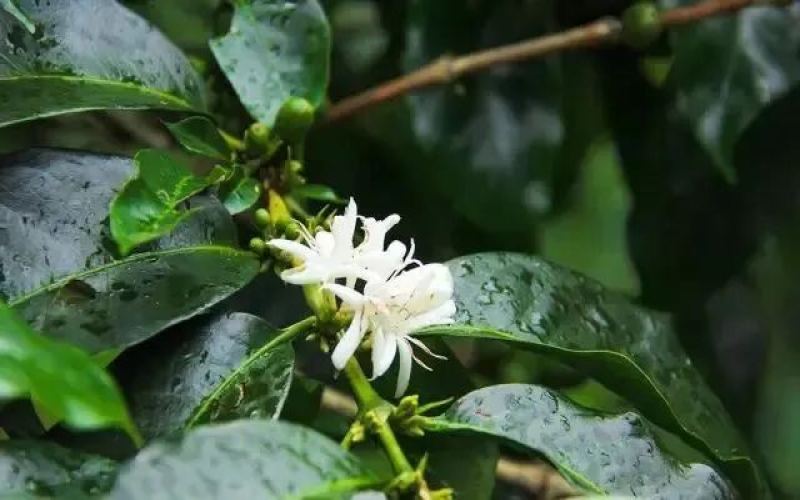
Specialty Coffee Variety Geisha | Is Panama the birthplace of Geisha coffee beans? What are the characteristics of Geisha? Light roast premium hand-brewed single-origin beans
Geisha refers to a coffee variety that originated in Ethiopia, the birthplace of coffee. After continuous selection, it made its way to Central and South America, rose to fame in Panama in 2004, and became hugely popular in the consumer market due to its signature flavor. Geisha green beans are slender in shape, and the roasted beans have strong fruity aroma characteristics, accompanied by [more…]
Medium-Dark Roast Coffee Beans | Which Hand-Brew Coffee Tastes Less Sour: Yirgacheffe, Brazil, or Colombia? 6 Cocoa-Flavored Specialty Single-Origin Hand-Brew Coffee Beans Recommended
Coffees from different regions, processing methods, varieties, and roast levels present different flavor profiles, so there is a suitable option for many people, whether they love acidity or not. Many people think that acidic coffee tastes rather sharp, so they start looking for high-quality coffee beans with a non-acidic taste. As consumers, then, what can we [more…]
Panama Boquete Geisha Region Analysis: Hand-Brewed Flavor Profile and Brewing Key Points of Butterfly Coffee Beans
The Boquete region of Panama became famous because of Hacienda La Esmeralda's Geisha. Butterfly, as a representative bean that combines Geisha genetics with an affordable price, is composed of 70% Geisha blended with Caturra and Catuai. Starting from Front Street Coffee's recommendation, this article reviews Boquete's microclimate and volcanic soil advantages, explains why Butterfly still counts as a single-origin coffee, and provides specific pour-over parameters and staged extraction techniques to showcase its floral, citrus, berry, and strong sweet-aftertaste flavor profile. [more…]
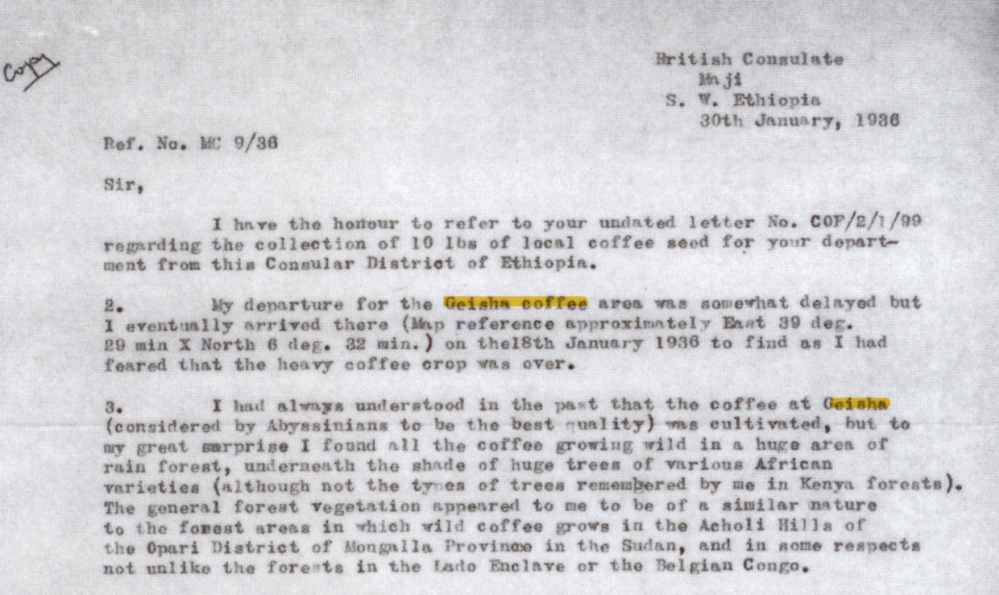
The Origin and History of Geisha Coffee | What Are the Characteristics of the Panamanian Geisha Variety? Which Famous Coffee Estates Grow Geisha? What Should You Pay Attention to When Hand-Brewing Geisha Coffee?
People's definition of top-tier coffee is constantly changing, and the old rich, full-bodied cup has long become a thing of the past. Nowadays, if you casually ask any coffee lover which coffee can represent the very best, the answer you get is very likely Panama Geisha. There are many varieties of Panama Geisha, and when faced with Front Street's tasting [more…]
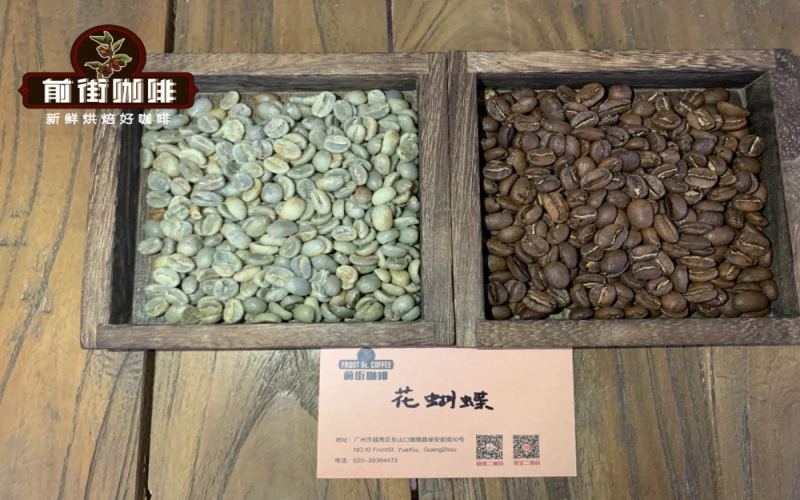
Flavor Comparison of Panama Boquete Washed Butterfly Geisha Coffee Beans: A Specialty Analysis of Hand-Brewed Panama Geisha
Panama's Boquete region, with its high altitude, volcanic soil, and humid climate, produces top-tier coffees such as Hacienda La Esmeralda Geisha. Front Street Coffee takes a deep dive into Boquete's growing conditions, the role of shade trees, the differences between Geisha's red, green, and blue labels, and the varietal composition and washed processing flow of the high-value Butterfly coffee. It also compares the flavor differences between washed and natural processing, and introduces the layered complexity of Elida Estate Geisha. This article presents the full professional details of Panamanian coffee from origin to cup, ideal for coffee enthusiasts seeking deeper understanding. [more…]
An In-Depth Review of Panama Geisha Coffee: From Award-Winning Estate Beans to a Complete Guide to Hand-Brewed Iced Coffee
Geisha, a variety that overturned coffee judges' perceptions with its delicate floral aroma and fruity acidity, has profoundly influenced the direction of specialty coffee development over the past eighteen years. It originated from the Kaffa forests of the Gesha region in Ethiopia, then traveled through Kenya, Uganda, Tanzania, and Costa Rica, ultimately taking root and flourishing in Panama. This article will guide you through the varietal characteristics and historical trajectory of Geisha, and using Front Street Coffee's Panama Boquete Washed Geisha as an example, share in detail the entire process from roasting philosophy to iced pour-over practice, including specific parameters such as grind size, water temperature, and pouring technique, helping you better appreciate this bean's floral aroma, fruity acidity, and tea-like sweet aftertaste. [more…]
Pour-Over Coffee Starter Bean List: A Buying Guide and Flavor Analysis of Five Cost-Effective Everyday Beans
For hand-brew enthusiasts who have just stepped into the world of specialty coffee, choosing the right first bag of beans is often more important than choosing the right equipment. Expensive, famous beans certainly offer outstanding quality, but for everyday drinking, what matters more is a balance between flavor and price. This article selects five coffees that are both distinctive and affordably positioned, covering classic origins such as Brazil, Ethiopia, Panama, Costa Rica, and Colombia. It analyzes each one in turn, from flavor characteristics and brewing friendliness to suitable occasions, helping beginners find the cup that best suits their taste, while also including Front Street Coffee's actual roasting and brewing recommendations as a reference for those just starting out. [more…]
Key Points for Selecting Hand-Brewed Coffee Beans and the 2025 Top 10 Highly Acclaimed Single-Origin Bean List
Many coffee enthusiasts often ask: what characteristics should hand-brewed coffee beans have? Which beans are best suited for pour-over? In fact, flavor preferences vary from person to person. There is no fixed list of specialty beans, nor is there a "best choice" that suits everyone. However, as the buyer base grows, some standout coffee beans naturally rise to the top, gradually forming a list with reference value. This article focuses on the pour-over brewing scenario and counts down the top ten highly regarded single-origin beans with the highest ratings, covering classic producing regions such as Colombia, Ethiopia, Kenya, Brazil, Indonesia, Rwanda, and Panama, while retaining specific product information from the Front Street Coffee brand, to provide you with a practical reference for your purchasing decisions. [more…]
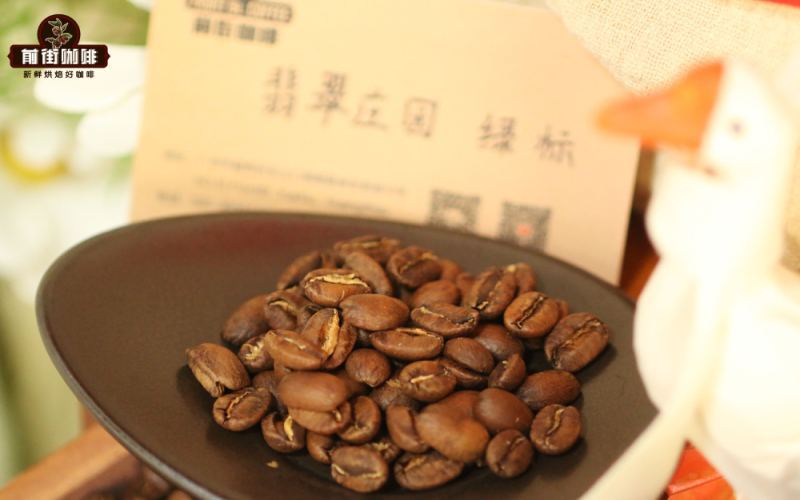
Panama Hacienda La Esmeralda Green Label Geisha Natural Coffee Beans: A Full Breakdown of Flavor Characteristics, Price, and Pour-Over Parameters
The status of Geisha coffee in the specialty coffee world needs no elaboration, and the Green Label Geisha Natural from Panama's Hacienda La Esmeralda is a classic entry point for many enthusiasts. This article focuses on this bean, covering everything from why Geisha is so expensive and how Hacienda La Esmeralda discovered this variety, to the grade differences between Red Label and Green Label, and then to Front Street Coffee's light roast approach and three-pour hand-brewing steps. The article also includes reference prices, extraction water temperatures, coffee-to-water ratios, and grinding recommendations for Front Street's Red Label and Green Label pour-over, hoping to provide a practical flavor and parameter guide for those who want to try or are currently brewing Green Label Geisha. [more…]

How to Choose Hand-Brewed Coffee Beans by Roast Level
The roast level of hand-brewed coffee beans determines where the flavors in the cup unfold. Light roasts make floral and fruity notes easier to perceive, medium roasts connect sweetness, acidity, and body, while dark roasts bring cocoa, nut, and roasted aromas. For ordinary consumers, choosing according to the flavors they like and how they usually drink coffee matters more than looking only at [more…]

Hand-brewed Blend Coffee Beans | Can Espresso Beans Be Used for Hand-brewed Coffee? How to Blend Single-Origin Beans for Hand-brewing? Hand-brewed Blend Bean Roasting Parameters and Flavor Introduction?
As autumn turns to winter and the weather gradually cools, Front Street Coffee created the Front Street Sunflower Warm Sun espresso blend, suited to espresso, quite some time ago. Following this line of thinking, Front Street also wanted to make a blended coffee bean suitable for autumn drinking and usable for pour-over coffee. Front Street Coffee (FrontStreet C [more…]
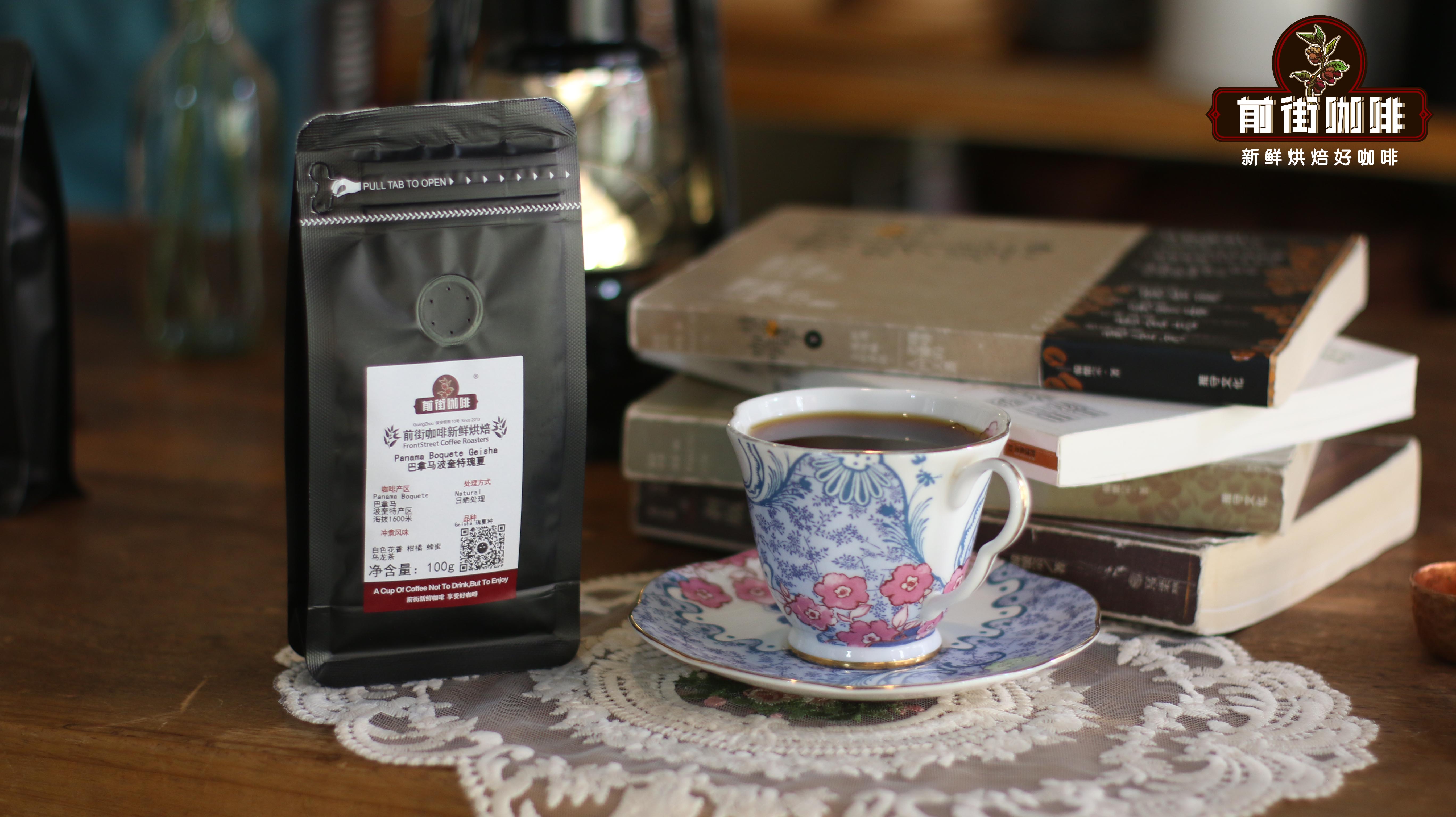
Where does Panamanian coffee come from? A full analysis of the flavor characteristics and pour-over parameters of Boquete Geisha
Panama is a renowned specialty coffee-producing country in Central America. Thanks to its unique terroir and meticulous estate management, it has produced the world-stunning Geisha coffee. From the perspective of Front Street Coffee, this article outlines Panama's geographical location, the microclimate advantages of the Boquete production region, and why the Geisha variety is so precious. It also provides a detailed explanation of the washed processing flow, a medium-light roast approach, and V60 three-pour hand-brew parameters, helping coffee lovers understand this Boquete Geisha's citrus acidity, white floral aroma, and green tea finish, and recreate a result at home close to what is served in the shop. [more…]
Complete Guide to Hand-Brewing Jamaican Blue Mountain Coffee: Water Temperature Control and Three-Pour Extraction Practical Guide
Blue Mountain coffee is famous for its balanced acidity, sweetness, and bitterness along with a full body, but to truly brew its classic flavor, water temperature, dripper, and pouring rhythm are all indispensable. This article begins with Blue Mountain coffee's origin certification and varietal background, and combines Front Street Coffee's roasting and brewing experience to break down in detail the pour-over parameters for medium-dark roasted Blue Mountain No. 1: 88°C water temperature, Kono Meimon dripper, 15g dose, 1:15 ratio, and the specific technique of pouring in three stages after blooming. It also compares the performance of Blue Mountain Geisha to help coffee lovers understand the flavor boundaries and brewing key points of this legendary bean. [more…]
Kenya AA Gichathaini Factory Hand-Brewed Bean Recommendation: Flavor Analysis of Double-Washed SL28 and SL34 from Meru Region
When it comes to fruity, acidic pour-over coffee, most people first think of Ethiopia's Yirgacheffe, Huakui, or Panama's Geisha, while Kenyan coffee is often overlooked. In fact, Kenyan coffee also boasts layered sweet-and-sour aromas and a juicy mouthfeel. This article focuses on the Kenya AA Meru region Gichathaini processing station, taking a deep dive into its varietal characteristics, its unique washed processing method, and how roast level affects the flavor presentation. It will also introduce the specific details of Front Street Coffee's Kenya Little Tomato coffee beans, helping coffee enthusiasts find a fresh Kenyan pour-over bean worth picking up. [more…]
A Comprehensive Guide to Panama Geisha Coffee: From Its Ethiopian Origins to Hacienda La Esmeralda Fame and Why It's So Expensive
Geisha coffee is now a dazzling star in the specialty coffee world, possessing both the bright, complex acidity of African beans and a honey-like sweetness with intense floral aromas. This article begins with the variety's origins, tracing Geisha's spread from the forests of Ethiopia to Kenya, Uganda, Costa Rica, and finally its establishment in Panama; it reviews the key moments when Hacienda La Esmeralda rose to fame at the BOP competition and repeatedly set auction records; and it analyzes the deep-seated reasons behind Geisha's persistently high price. At the same time, drawing on Front Street Coffee's Panama Boquete Washed Geisha, it introduces the Boquete region's terroir, the washed processing flow, a medium-light roasting approach, and V60 three-pour hand-brew parameters, helping coffee lovers experience the classic orange-blossom honey charm in a cost-effective way. [more…]
Arabica Coffee Brand Ranking | What Are the World's Six Major Coffee Beans? Which Country's Regional Coffee Makes the Best Hand-Brewed Black Coffee?
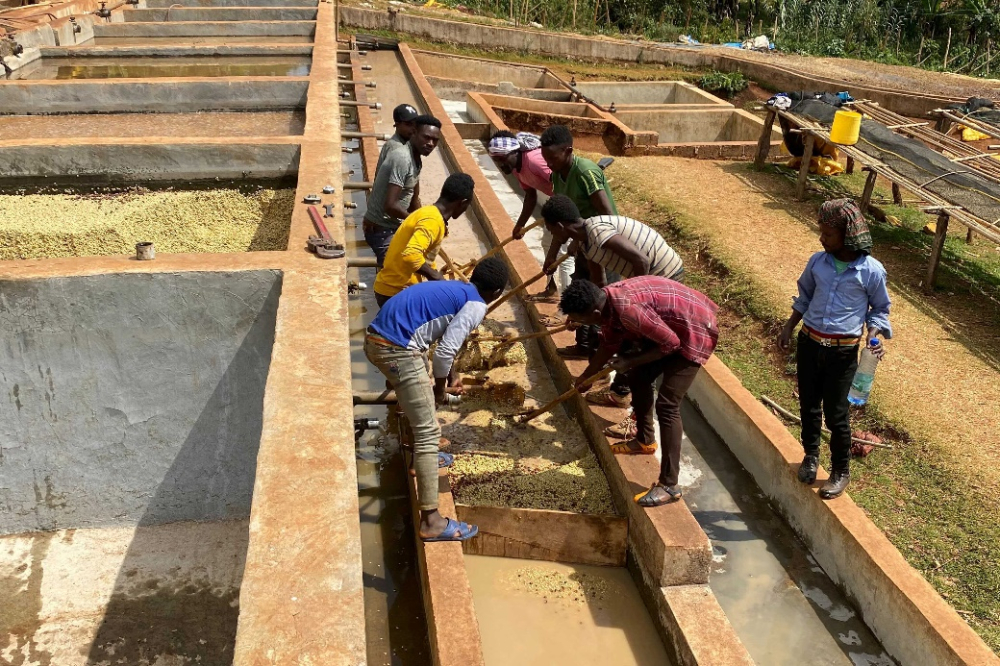
For more specialty coffee knowledge, please follow: Front Street Coffee (Frontsteet Coffee) The world's three major beverages are cocoa, tea, and coffee. Among them, coffee was only introduced to China just over a hundred years ago, but it is only in recent years that coffee's development in China has grown increasingly massive, and the number of coffee drinkers has [more…]
How Are Arabica and Robusta Different? Flavor Profiles of Hand-Brewed Coffee Bean Varieties and Front Street Single-Origin Recommendations
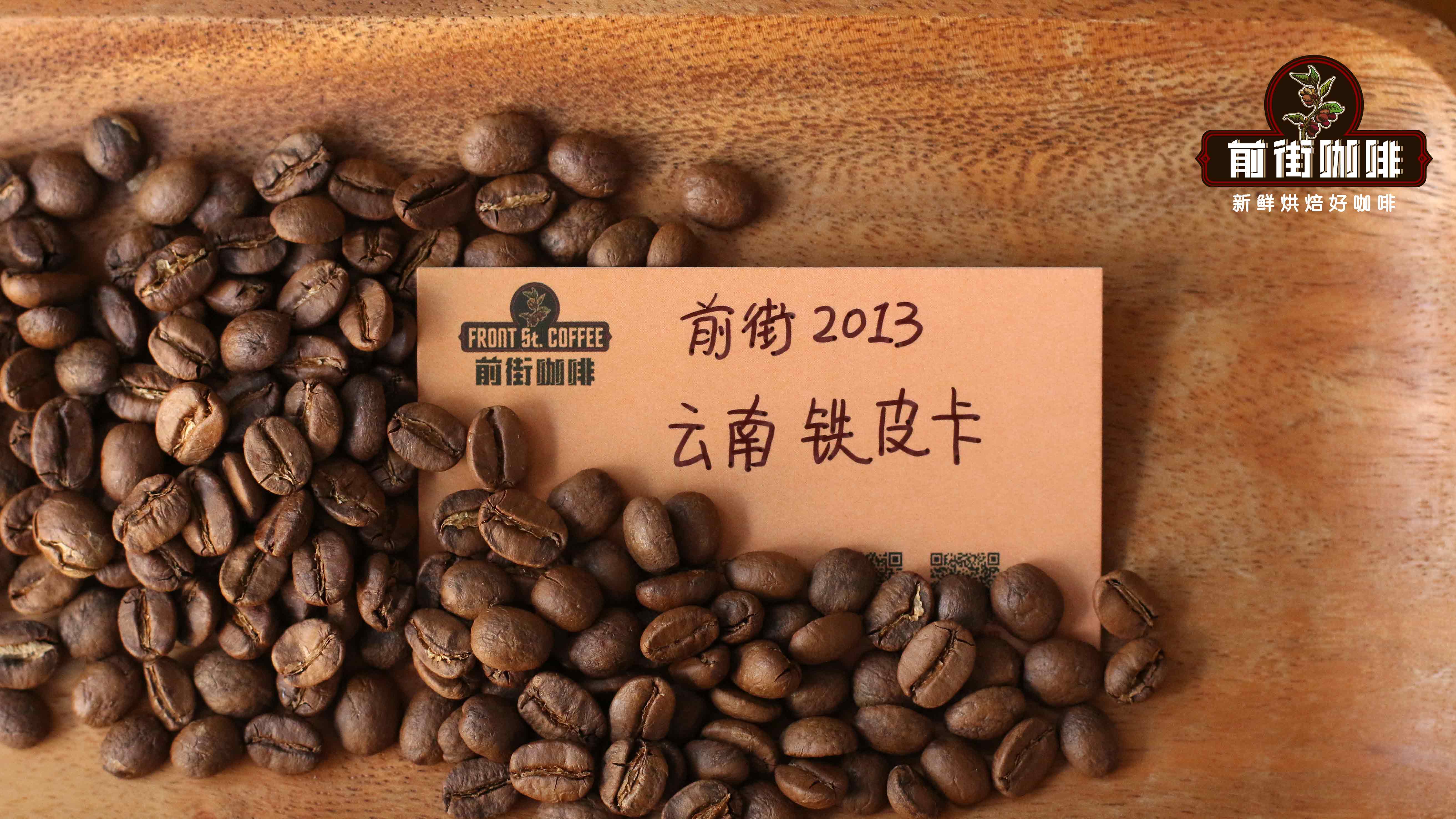
Among the dazzling array of coffee bean varieties, Arabica and Robusta are undoubtedly the two mainstays. The former is known for its rich aroma, bright acidity, and smooth mouthfeel, while the latter is prized for its full-bodied bittersweetness and rich crema. This article will systematically review Arabica's historical origins, plant characteristics, flavor profile, and health advantages, and compare the applicable scenarios of Robusta. At the same time, it will combine Front Street Jamaica Blue Mountain, Panama Geisha, Ethiopia Yirgacheffe, and other specialty single origins, as well as Front Street classic blends, to provide practical bean-selection guidance for pour-over enthusiasts and espresso users. [more…]
Costa Rican Honey-Processed Coffee Flavor Analysis: Sweet, Prominent Hand-Brewed Beans from the Tarrazú Region and Key Brewing Points
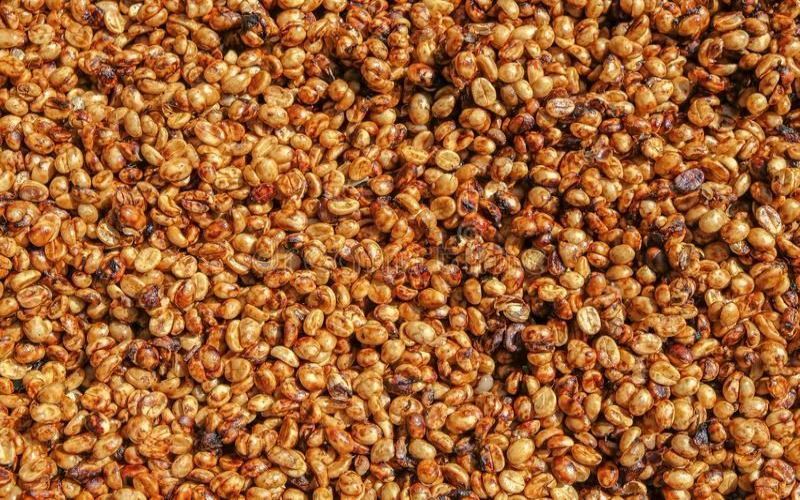
Costa Rican coffee has won the hearts of many coffee lovers with its honey-like sweetness. In this article, Front Street Coffee takes you deep into Costa Rica's core producing regions and the distribution of its eight major coffee-growing areas, with a focused analysis of the Tarrazú region and its representative estate, Mirazu. It also details the unique characteristics of the raisin honey processing method, as well as the variety composition, green bean analysis, roasting curve, cupping performance, and pour-over brewing parameters of Front Street Costa Rica Strawberry Candy Geisha Blend coffee beans, helping you gain a comprehensive understanding of this Costa Rican coffee with prominent sweetness and rich layered flavors. [more…]
How do you choose hand-brewed coffee beans with a fresh, clean flavor? Flavor characteristics and bean selection approach for Yirgacheffe Gutingding
To enjoy a cup of pour-over coffee with a fresh flavor and clean mouthfeel, there are actually discernible guidelines when choosing beans. The degree of roast, the processing method, and the terroir of the growing region are the three key factors that determine the direction of a coffee's flavor. A light roast preserves more organic acids and delicate aromas, while the washed process makes the fermentation level of the coffee beans more controllable, and the regions of Africa and Central and South America are especially concentrated sources of fresh-flavored beans. Based on Front Street's bean-selection experience, this article lays out a practical approach to choosing coffee beans with high cleanliness and a fresh flavor, and recommends specific qualifying beans such as Front Street Yirgacheffe·Gedeb and Front Street Wander Estate·Washed Geisha, suitable for both pour-over and cold brew preparation. [more…]
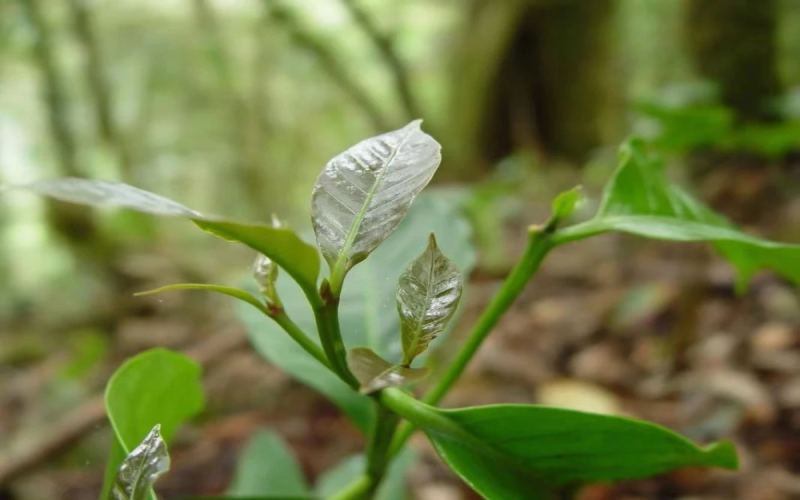
What Are the Differences Between Washed, Natural, and Honey-Processed Geisha Coffee? A Detailed Guide to Pour-Over Techniques for Panama Hacienda La Esmeralda Geisha
Geisha coffee, with its complex floral and fruity notes, has become a highly sought-after variety in the specialty coffee world. From its discovery in the Geisha forests of Ethiopia to its rise to fame at Hacienda La Esmeralda in Panama, the cultivation and processing methods of Geisha have always been a focus of attention for coffee enthusiasts. How do the three different processes—washed, natural, and honey—create flavor differences in Geisha? How should high-altitude cultivation and light-to-medium roasting be paired with brewing? This article starts with Front Street Coffee's Geisha to analyze the differences between washed, natural, and honey processing methods, and shares detailed V60 three-pour hand-brew parameters and brewing details to help you better showcase the floral and fruity notes and layered complexity of Panamanian Geisha. [more…]